New York’s Budget Problem Is a Leadership Problem
Hochul’s $260 Billion Surrender Costs Taxpayer Again
Chris O'Neil - TMG
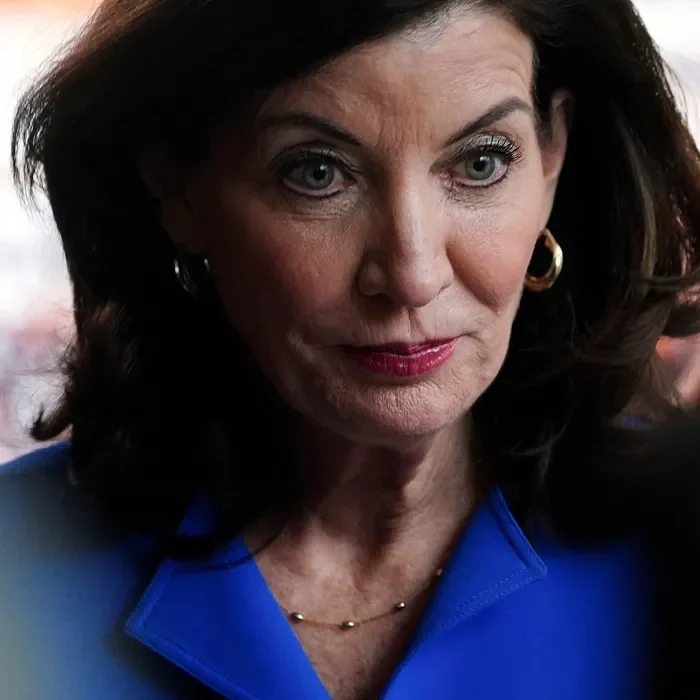
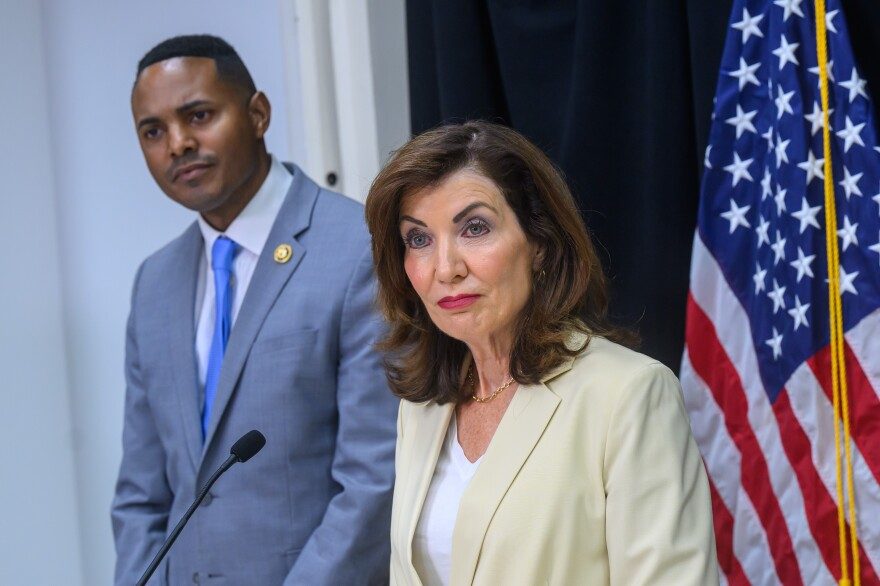
Governor Kathy Hochul this week rolled out her staggering $260 billion Executive Budget for FY2026, the largest in New York State history. The proposal doesn’t just reflect an administration out of touch with economic reality; it exposes a governor flailing to appease every ideological faction at once, a strategy that satisfies no one and bankrupts everyone.
The unavoidable question is simple: where does the money come from? New York continues to bleed population and taxpayers, yet Hochul alongside New York City Mayor Zohran Mamdani (D-Astoria) is committing the state to expansive social programs with price tags that working New Yorkers can no longer absorb.
The math doesn’t work, and neither does the politics.
Even Assembly Speaker Carl Heastie (D-Williamsbridge), no stranger to progressive spending, has voiced concern over how these commitments will be funded. Still, experience tells us those reservations will evaporate once negotiations begin. In Albany, skepticism is temporary; spending is forever. This marks Hochul’s fifth budget fight and her final one before facing voters in 2026. Every year of her tenure has followed the same script: missed deadlines, emergency extenders, and last-minute deals to keep the lights on while leadership postures for press releases. Dysfunction has become routine.
Much of that dysfunction is self-inflicted. Hochul forfeited her leverage in 2023 when she signed off on legislative pay raises making New York lawmakers the highest-paid state legislators in the nation without extracting a single concession in return. She approved it quietly, just before Christmas, and walked away empty-handed.
The result was predictable. The progressive bloc that routinely holds the Legislature hostage refused to engage on rolling back the most damaging aspects of bail reform. Hochul resisted initially, but after a two-month shutdown, she folded. The message was unmistakable: wait her out, and she will cave. A similar showdown followed in 2024 when Hochul proposed reforms to state school aid. While recalibrating aid formulas is a legitimate discussion, especially as districts shrink, this was a fight that never needed to happen. Opposition was immediate, bipartisan, and inevitable. Hochul picked the battle anyway and predictably lost.
The core problem is not that Hochul doesn’t always get her way. Politics isn’t about domination. But effective executives possess firmness, leverage, and the ability to extract tradeoffs. Hochul has demonstrated NONE of the above.
She continues to double down on sanctuary state and city policies that have drained resources and saddled taxpayers with an estimated $5 billion burden over recent years. At the same time, she proposes $77 million for increased NYPD subway patrols; Now a necessary expense made unavoidable by years of failed criminal justice reforms she declined to seriously confront when she had the chance.
New York City will continue to govern itself into chaos, but Albany could have addressed the root causes years ago. It didn’t, largely because Hochul lacked the will to force the issue. To be fair, she is governing alongside a progressive wing driven by a pathologically altruistic dogma of “unstoppable force meets an immovable object” scenarios. Unfortunately for Hochul, she has proven herself entirely movable yet time and again, she bends a knee to her far left constituents.
Now, the administration points to shifting federal policy as a convenient scapegoat. While federal funding changes under Trump may alter the equation, it has never changed the fact that New York is an economic powerhouse; the gateway to the world in so many ways and should not resemble a state perpetually on the brink of fiscal crisis.
This is not an easy state to govern, but it is also not lacking in revenue, opportunity, or talent. Hochul’s performative sparring with President Trump accomplishes nothing, and her sudden embrace of “no tax on tips” only reinforces a growing perception problem: inconsistency bordering on opportunism.
New Yorkers were told this budget cycle would bring restraint. Instead, Albany delivered yet another historic expansion. At this point, the only thing more predictable than Hochul’s surrender to the Legislature is the ballooning bill left behind.